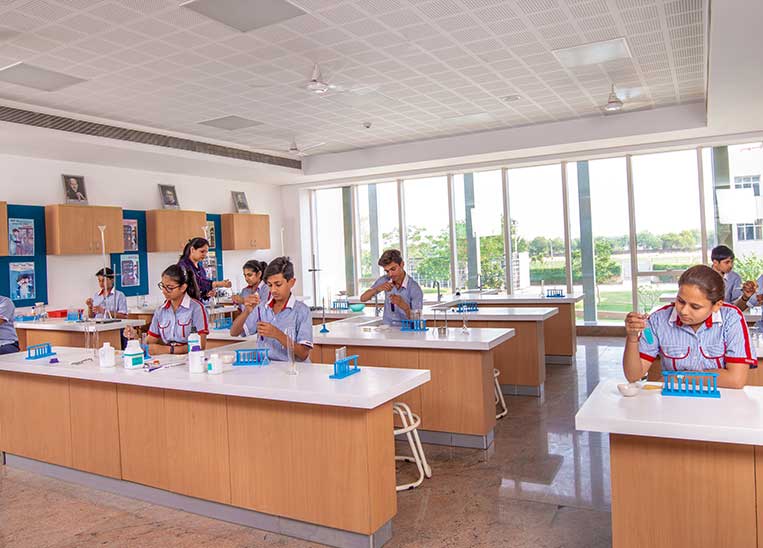

The first month at a boarding school in Gurgaon involves many small adjustments. A child learns where to keep their belongings, when to arrive for meals and who to ask for help. Parents learn how to stay involved while allowing their child to handle everyday responsibilities.
Preparation works best when it makes these details familiar. An honest conversation, a clear packing list and an agreed contact routine give families a practical starting point. The aim is to help your child know what to expect and feel comfortable asking for support.
Talk about boarding before talking about the suitcase
Ask your child what they are looking forward to and what feels uncertain. They may be interested in sports but worried about sharing a room. They may understand the school timetable yet have questions about bedtime or keeping in touch with friends at home.
Answer what you can and write down the questions that need a staff member's explanation. Avoid promising that every day will be easy. Explain that unfamiliar routines take practice and that adults at school are there to help.
Boarding should never be presented as a punishment. Discuss the reasons for the decision in language your child understands, and give them a voice in the preparation.
Make the campus and support contacts familiar

Visit the boarding areas with your child before joining, where the school permits it. Ask to understand room arrangements, dining, study spaces and the process for seeking help after lessons.
At GD Goenka Signature School, our boarding facilities include house parents, supervised study and an on-campus medical centre. During your visit, ask the team how those arrangements work for your child's age and boarding format.
Your child should know the name or role of the first person to approach if they lose something, feel unwell or have a disagreement. Parents should also know the appropriate contact for routine updates and urgent concerns.
Practise a few everyday responsibilities at home
Use the weeks before joining to practise tasks your child will manage on campus. Let them organise their school bag, identify their uniform and put away used clothes. Encourage them to check a timetable and prepare what they need for the following day.
For a younger child, work through the task together and gradually reduce reminders. For an older student, discuss how they will keep track of assignments and organise study time.
Learning to ask for help belongs on this list. A child does not need to solve every problem independently to be ready for boarding. They need to recognise when a problem should be shared with a responsible adult.
Pack from the current school list
Request the official packing list and rules for clothing, toiletries, bedding, devices and valuables. Avoid guessing what is allowed from another school's arrangements.
Label belongings in a way your child can easily recognise. Pack with them so they know where things are. If permitted, include a familiar item such as a photograph or a favourite book. Keep essential contact details accessible according to school rules.
Discuss allergies, dietary needs and any prescribed medication with the designated staff before arrival. Follow the school's storage and administration procedures rather than leaving medication for a child to manage without an agreed arrangement.
Agree how you will keep in touch
Ask about the school's communication policy and arrange a predictable pattern of contact within it. Explain the plan to your child before joining, including what happens if a scheduled call is delayed.
During conversations, ask about specific parts of the day. Who did they sit with at lunch? Which activity did they try? What was difficult to understand? These questions often produce more useful answers than asking whether everything is fine.
Allow room for mixed feelings. Listen carefully, then agree what needs to happen next. If a concern involves safety, bullying or ongoing distress, contact the school promptly and ask for a clear response.
Use the first week to learn the routine
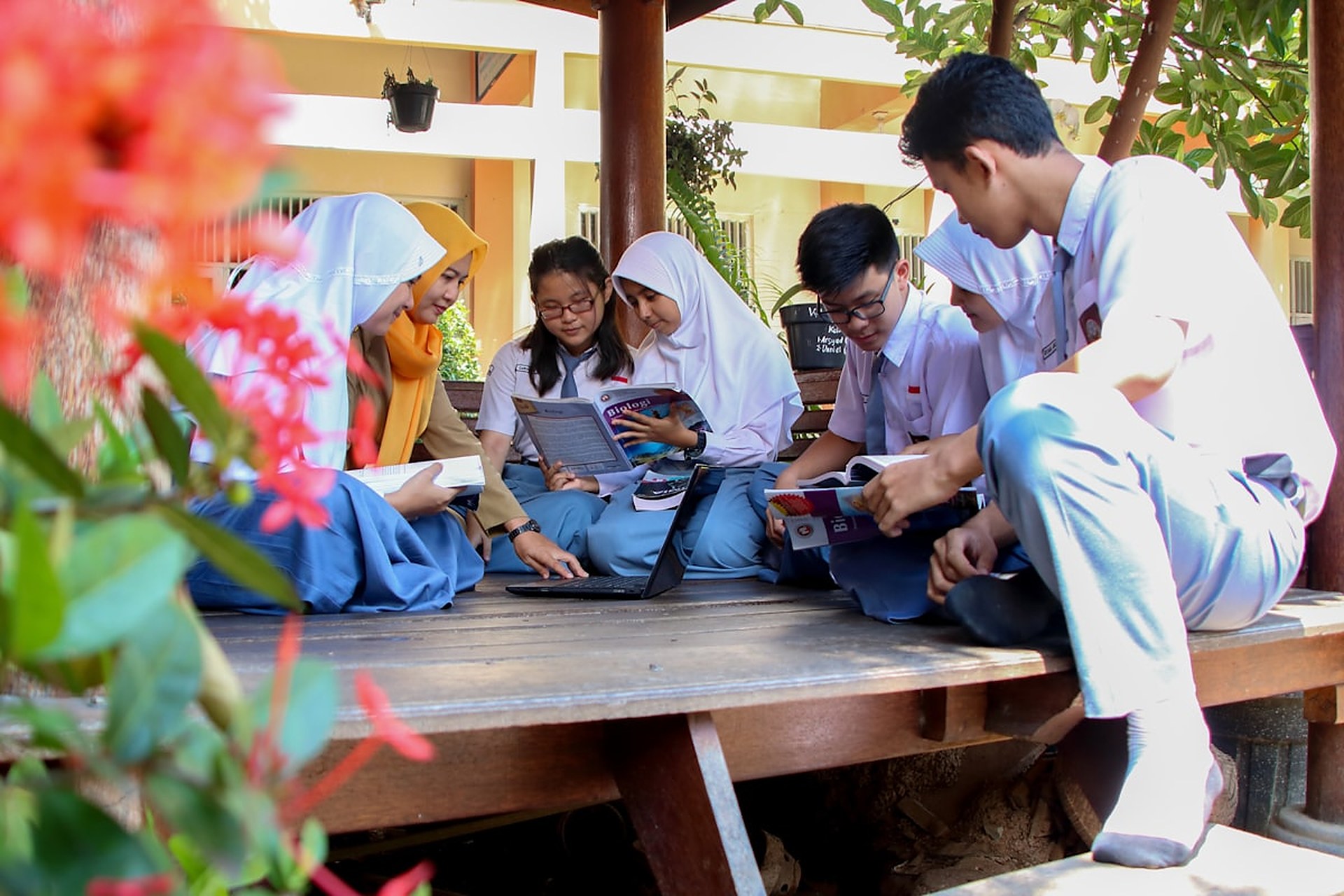
For the first few days, focus on basics such as meals, rest, punctuality and knowing where to go. Your child may need several reminders before a new routine becomes familiar.
Encourage one manageable action at a time: join a conversation, ask a teacher about an assignment or try a suitable activity. Avoid judging adjustment by how many friends they make immediately or how confident they sound on every call.
Stay in contact with the relevant staff when clarification is needed. Share useful information about your child's habits without expecting each small difficulty to have an instant solution.
Review the first month together
After the initial weeks, discuss what is working and what still needs support. Review study arrangements, family contact and participation in activities with your child and the relevant staff. Set one or two practical goals for the next month.
For weekly boarders, plan weekends that include family time and adequate rest. Our weekly boarding programme involves staying on campus during the school week and returning home for weekends. Confirm the current departure and return arrangements before joining.
If you are considering a boarding school in Gurgaon, book a campus visit to discuss residential life at GD Goenka Signature School. Bring your child's questions so preparation can begin with a shared understanding.
Frequently asked questions
What should a child practise before starting boarding school?
Practise organising belongings, following a simple routine and asking a trusted adult for help. Use the school's guidance to identify responsibilities appropriate to your child's age.
How often should parents contact a new boarder?
Agree a predictable routine within the school's communication policy. Discuss additional contact with the relevant staff if your child needs support.
Does every child settle within a month?
Children adjust at different rates. Use the first month as a review point, and seek staff support for concerns instead of treating it as a deadline for feeling settled.