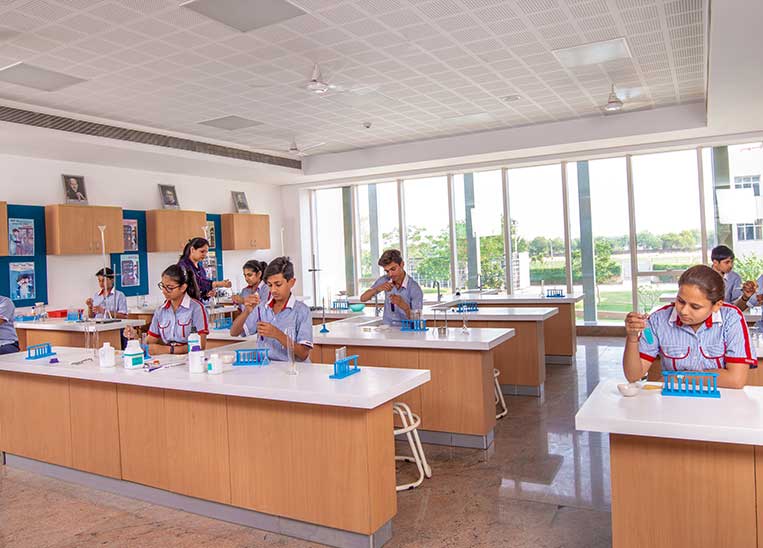
Classes VI to VIII are sometimes treated simply as the years between primary school and the pressure of Class IX. They deserve much more attention.
Middle school is where children begin moving from teacher-led learning towards greater academic independence.
1. Independent Study
By middle school, students should gradually learn to organise assignments, prepare for tests, manage materials and recognise where they need help.
2. Critical Thinking
Middle-school students should increasingly move beyond “What is the correct answer?” and begin asking why, what evidence supports it, and whether there is another explanation.

3. Communication and Public Speaking
Students should have opportunities to present work, participate in discussions, debate respectfully and defend a point of view.
4. Collaboration
Group projects teach children to listen, negotiate, take responsibility, resolve disagreements and combine different strengths.
5. Technology and Design Skills
Digital literacy should go beyond simply using a device. Middle-school students can begin understanding coding, robotics, design thinking and how technology is used to solve real problems.
6. Financial and Real-World Awareness
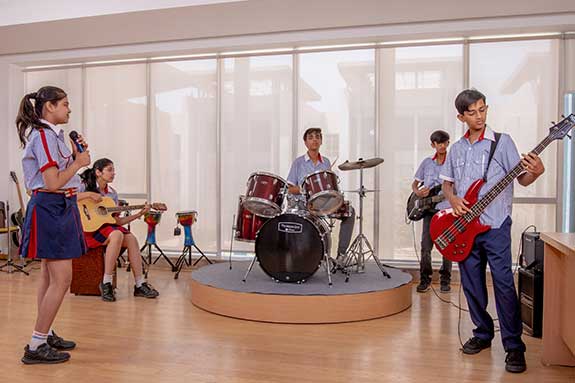
Basic financial literacy, understanding how communities function and discussing real social or environmental issues can prepare students for adult decision-making.
7. Self-Awareness and Responsibility
Middle school is also a period of significant personal development. Students begin identifying what subjects interest them, where they need improvement and how they respond to pressure.
What Should Parents Ask a Middle School?
Ask how teachers encourage independent study, what project work students complete, whether robotics or technology programmes are available, and how the school prepares children for Class IX.
Middle Wing at GD Goenka Signature School
GD Goenka Signature School’s Middle Wing covers Grades VI to VIII and connects subject learning with interdisciplinary projects and broader development opportunities.
Conclusion
The most successful transition into Class IX begins before Class IX. Children who learn to study independently, think critically, communicate, collaborate and take responsibility are better prepared for the increasing demands of senior school.
Frequently Asked Questions
Which classes are considered middle school?
In many CBSE schools, the middle-school stage generally covers Classes VI to VIII.
Why are Classes 6–8 important?
They bridge foundational learning and the more demanding academic environment of Classes IX onwards.
Is robotics useful for middle-school students?
When taught meaningfully, robotics can combine coding, problem-solving, design, mathematics and teamwork.